
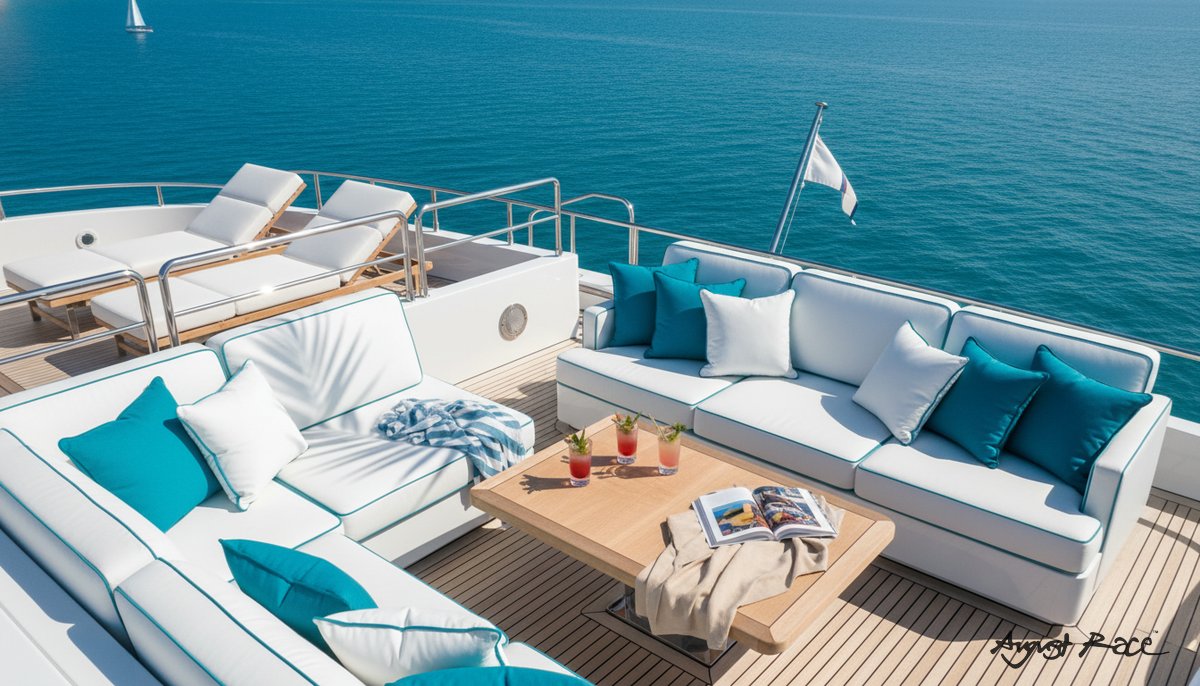
Boat seat mildew is a common problem in damp climates and covered slips. High humidity, poor airflow, and intermittent rain create ideal conditions for humid storage mold and vinyl discoloration. This guide explains why it happens, how to clean safely, and how to use restore vinyl surfaces to improve appearance and support ongoing seat restoration.
Why mildew and discoloration happen to boat seats in humid storage
Marina and dockside storage often means constant moisture: overnight dew, passing showers, and covers that trap humidity. Without steady airflow, cushions stay damp longer, which allows mold and mildew to grow.
Vinyl upholstery has layers -- top vinyl skin, stitching, and foam cores beneath. Seams and tiny cracks can hold moisture, creating small pockets where mildew thrives. When moisture lingers, spores settle on the surface and, over time, can migrate into seams.
It helps to distinguish surface mildew from deeper vinyl discoloration. Surface growth appears as grey, green, or black specks and can often be cleaned. Discoloration can result from UV exposure, dyes transferring from towels/clothing, or long-term dampness causing stains beneath the surface.
Frequent short exposures -- like during the rainy season or when damp covers sit on seats -- accelerate breakdown of protective coatings. This makes vinyl more likely to stain and show wear. Understanding the cause helps you choose methods that remove mildew safely and reduce risk to vinyl and stitching.
Assessing your cushions: what to check before cleaning
A quick assessment improves results and prevents damage during seat restoration.
- Surface check: Note mold spots, streaks, and any color change. Smell for a musty odor that can indicate moisture in foam cores.
- Foam and seams: Press the cushion gently. Soft, uneven, or crumbly areas can indicate degraded foam. Inspect seams for splitting or broken stitching.
- Spot test: In a hidden area, test with water and a mild, vinyl-safe cleaner to check colorfastness and reaction. Avoid harsh bleach on colored vinyl.
- Safety setup: Wear gloves, use good ventilation, and keep bystanders away from overspray.
- Document: Take photos of problem areas so you can compare before and after.
With an assessment complete, move to a step-by-step approach that targets mildew while protecting your vinyl.
Step-by-step cleaning method for removing mold and mildew from vinyl boat cushions
When cleaning mold from vinyl boat cushions in marinas, work methodically and follow product labels for any cleaner you use. The goal is to remove growth without driving moisture into seams or foam.
-
Initial rinse
- Use fresh water at low pressure to remove loose dirt and spores. Avoid pressure washers, which can force water into seams.
- Cool to lukewarm water is best. Very hot water can soften adhesives and stress stitching.
-
Apply a vinyl-safe cleaner
- Choose a safe mildew remover for marine upholstery, labeled for vinyl and marine environments. Avoid chlorine bleach on colored or older vinyl, as it can cause fading and brittleness.
- Apply according to directions. Allow a short dwell time (often a few minutes) so the cleaner can work. Do not let it dry on the surface.
- Gently agitate with a soft-bristle brush or microfiber pad. Work in small sections to maintain control.
-
Target stubborn stains
- Reapply cleaner as needed. Several light passes are safer than aggressive scrubbing.
- Focus brushing on the vinyl surface, not directly on stitched seams. Avoid saturating seams to protect underlying foam.
- For odor, clean cushion undersides and bases as well, then increase airflow to help dry the interior.
-
Rinse and dry thoroughly
- Rinse with low-pressure fresh water until residue is gone.
- Dry with clean towels. Stand cushions on edge to promote drainage.
- Encourage airflow with fans or open hatches. A short period in indirect sun can help, but avoid prolonged, intense sunlight that can heat and fade vinyl.
-
Evaluate results
- If light discoloration remains but the surface feels clean and odor-free, the issue may be cosmetic. A brightener/restorer can help improve uniformity.
- If stains persist with musty odor or the foam still feels heavy and damp, moisture may be inside the cushion. Continued drying is needed. If problems remain, consider professional evaluation.
After cleaning, you can restore appearance and help even out color with a dedicated vinyl brightener.
Using Vinyl Bright to restore color and finish
After mildew removal, color irregularities and age-related vinyl discoloration may remain. A targeted brightener/restorer helps even out tone and refresh the finish as part of seat restoration.
Application tips for marine vinyl upholstery cleaner:
- Clean and dry first: Surfaces must be free of mildew and residue before application.
- Test patch: In a hidden spot, test for compatibility and desired appearance.
- Thin, even coats: Apply a light coat with a clean microfiber, working in consistent, overlapping passes. Avoid pooling along seams and edges.
- Cure time: Allow the product to set per label directions before applying additional coats or using the seats.
Common considerations:
- Compatibility: Check the label for use on marine-grade vinyl and follow all instructions. Always test textured and smooth sections, as appearance can differ.
- Seams and edges: Keep application minimal on stitching to avoid buildup. Wipe any excess immediately.
Set realistic expectations. A brightener can significantly improve uniformity and finish but may not remove deep stains or reverse UV or dye-transfer damage. Structural issues such as degraded foam or split seams require repair or replacement.
Preventing future mildew and stains during rainy seasons and humid storage
Prevention reduces cleaning time and extends the life of marine upholstery. These habits help limit humid storage mold and keep seats looking better between deep cleans.
Storage and airflow
- Use breathable, well-fitted covers. Avoid plastic sheeting that traps moisture.
- Open vents or zippers on covers when conditions allow. Elevate cushions slightly for airflow.
- When possible, remove cushions after wet outings and let them dry fully in a shaded, ventilated area.
Proactive care routines
- Wipe seats after use, especially during the rainy season. Light, regular cleaning removes nutrients mold feeds on.
- For preventing stains on seats during rainy season, increase ventilation under covers, dry cushions promptly, and use moisture absorbers in enclosed spaces.
- Rotate cushions or change their position to reduce pressure points and allow more even drying.
Quick fixes for wet days
- After rain, towel-dry immediately and run a portable fan to move air across surfaces.
- Keep a small kit onboard for quick fixes for humid climate boat interiors: microfiber towels, a vinyl-safe cleaner, and spare desiccant packs.
- Avoid sealing damp cushions in bags or airtight bins.
Seasonal checks
- Inspect seams and piping; repair small splits before they widen.
- Reapply protectants or brighteners as directed by the product schedule.
- In off-season storage, keep cushions in a cool, dry location with space between them for airflow.
Realistic results and when to call a professional for seat restoration
Most boat owners can remove surface mildew and improve appearance with careful cleaning followed by a brightener. This can deliver noticeable improvements in vinyl discoloration and overall finish. However, not all problems are cosmetic.
Signs of structural damage include:
- Persistent musty odors even after thorough drying
- Foam that feels crushed, heavy, or crumbly
- Perished seams or torn stitching that continues to widen
In these cases, a professional detailer or upholstery shop is appropriate. Ask about materials they use (marine-grade vinyl and foam), stitching methods, UV protection, and any workmanship warranties. Professionals can also advise whether reupholstery or foam replacement is the best long-term solution.
Next steps: restore, protect, repeat
To tackle boat seat mildew effectively:
- Start with a careful assessment and spot test.
- Follow the step-by-step cleaning method using a safe mildew remover for marine upholstery.
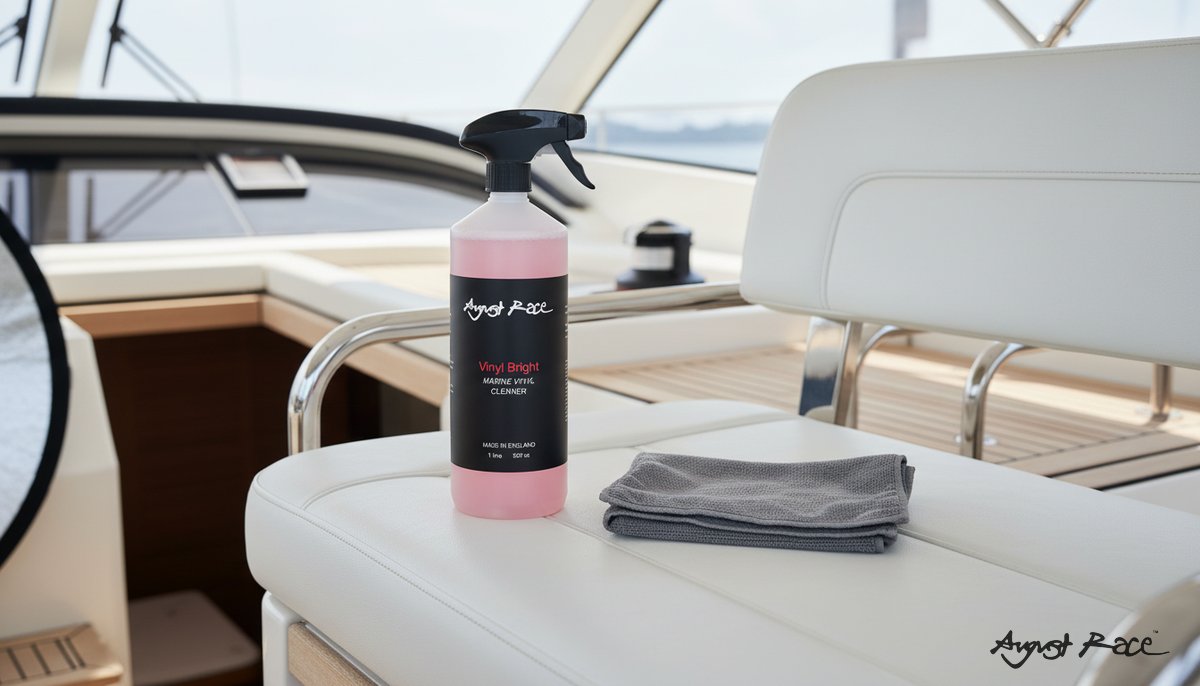
- Finish by applying Vinyl Bright cleaner to enhance color and finish once surfaces are fully clean and dry.
Check product labels for marine compatibility, usage directions, and safety guidance. To learn more or purchase, visit the marine vinyl upholstery cleaner product page.
Build a maintenance cadence -- monthly during peak humidity and at least quarterly during the rainy season. Keep simple records of dates, products used, and results. With consistent care and prevention, you will reduce boat seat mildew, improve appearance, and maintain healthier boat interiors over time.
For the full prevention strategy covering every surface on your boat, see our complete mildew prevention guide.
FAQ: quick answers on mold, vinyl cleaning, and storage
Q: What is the safest way to clean mold from vinyl boat cushions in marinas?
A: Use a vinyl-safe, marine-approved cleaner with low-pressure fresh water. Work in small sections, allow short dwell times per the label, agitate gently, avoid saturating seams, then rinse thoroughly and dry with strong airflow.
Q: Is there a safe mildew remover for marine upholstery that won't damage vinyl?
A: Yes. Select a cleaner labeled for marine vinyl and follow the instructions closely. Avoid chlorine bleach on colored or aged vinyl, and always test a hidden spot to confirm colorfastness and compatibility.
Q: How can I prevent stains on seats during the rainy season?
A: Increase ventilation under covers, dry cushions promptly after use, and use moisture absorbers in enclosed spaces. Wipe seats regularly and store cushions in a cool, dry area when prolonged rain is expected.
Q: What quick fixes help humid climate boat interiors stay dry and mold-free?
A: Keep microfiber towels for immediate drying, use portable fans to move air, and replace desiccant packs frequently. Avoid sealing damp cushions in airtight containers and allow space between items for ventilation.
About the Expert

August Race Team
The August Race professional team brings decades of marine industry expertise and product development knowledge.
View all articles by August Race Team →Get Expert Tips
Subscribe for marine care insights and product updates from industry professionals.
No spam. Unsubscribe anytime.
You May Also Like
Boat Vinyl Upholstery Cleaning: Mold Removal & Prevention
Learn safe, non-abrasive methods for vinyl upholstery cleaning on boats, marine mold removal, vinyl brightening, and mildew prevention with clear steps.
August Race Fender Clean: Eliminate Fender Grime
Discover how August Race Fender Clean removes fender grime, salt and black streaks while staying non-toxic and eco-safe for busy coastal marinas.
Marine Buying Guides: Choose the Right Products for Your Boat
Expert buying guides to help you choose the right marine cleaning and maintenance products for your specific boat type, material, and conditions.