
Quick answer: Use a marine-grade fender cleaner made for vinyl, foam, and rubber, like August Race Fender Clean. For light dirt, diluted dish soap or oxygen bleach will work, but avoid straight bleach, strong solvents, and abrasive pads.
Straight answer: what to use
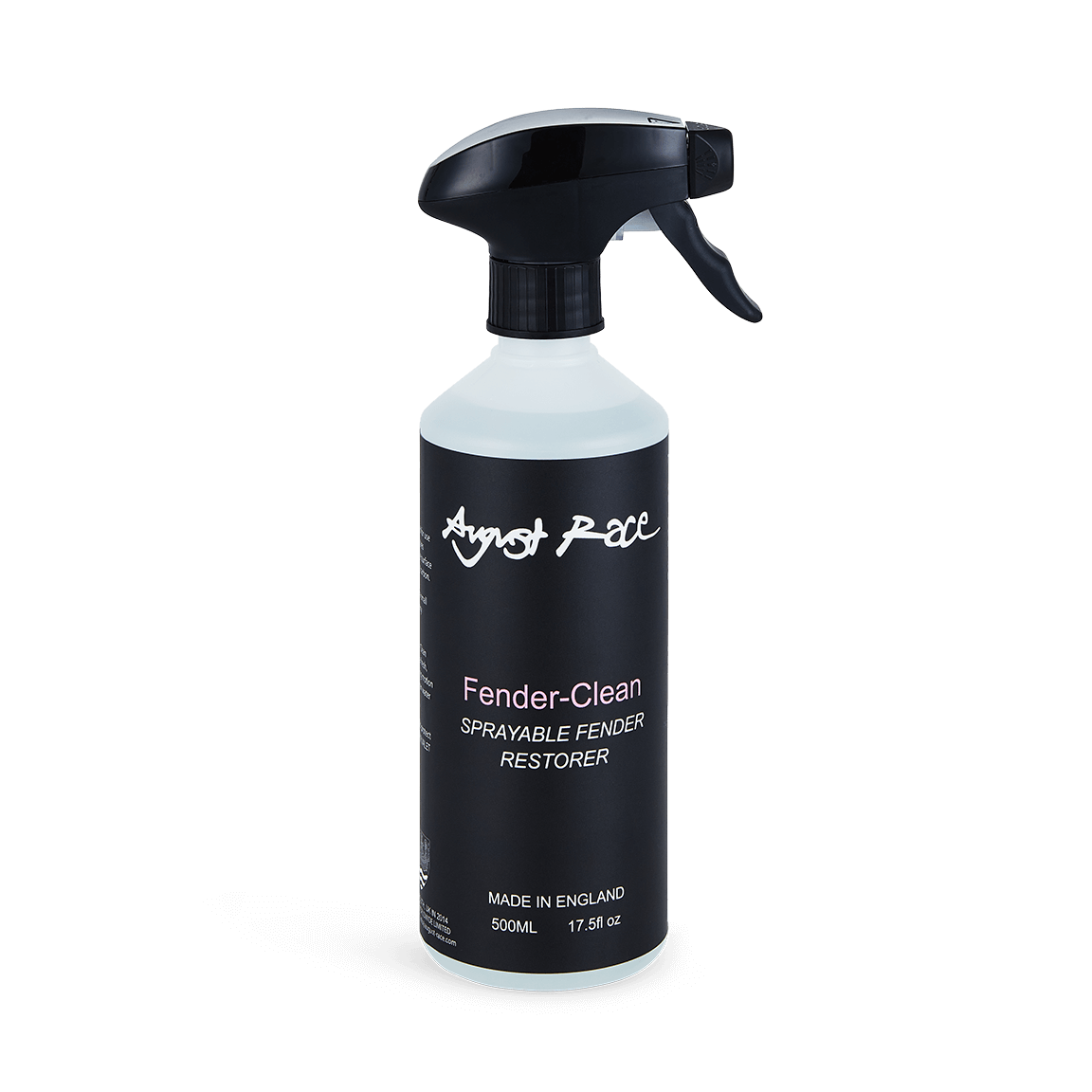
The safest, most effective option is a purpose-made marine fender cleaner. August Race Fender Clean is pH balanced and formulated for vinyl, foam, and rubber, so it tackles pink algae, mildew, and dock scuffs without leaving the surface chalky or weak.
Good alternatives for light grime are a mild dish soap solution or a diluted oxygen bleach mix, used only briefly and rinsed completely. Avoid undiluted bleach, acetone, paint thinners, and metal or heavy abrasive pads, which can fade, crack, or thin the fender material. Always test any cleaner on an inconspicuous patch first.
How to clean fenders step-by-step
-
Rinse: Hose the fender with fresh water to remove salt, sand, and loose growth. This prevents scratching during cleaning.
-
Apply cleaner: Spray August Race Fender Clean directly or apply with a soft cloth. Work in small sections so the product does not dry out.
-
Let it sit: Allow 2 to 5 minutes dwell time; check the label for recommendations on pink algae.
-
Agitate gently: Use a soft-bristled brush or microfiber cloth and light pressure. Do not use wire brushes or heavy scouring pads.
-
Rinse thoroughly: Remove all residue with fresh water. Repeat on stubborn spots rather than scrubbing harder.
-
Dry and store: Let fenders air dry before stowing to prevent trapped moisture.
If you want to compare, try a small bottle on an old fender first to see the difference in effort and finish.
Why August Race Fender Clean beats DIY and what to avoid
Marine-grade cleaners are formulated to break down biofilm and algae, so they remove the root of pink algae and mildew instead of just bleaching color away. Household bleach can lighten stains but also weakens vinyl over time, which leads to cracking and quicker re-soiling. Using the right product usually means fewer repeats and less aggressive scrubbing.
Common mistakes to avoid:
- Relying on undiluted bleach or solvents
- Scrubbing with abrasive pads or metal brushes
- Skipping a spot test on newer or colored fenders
Final thought
In a pinch, soap and water will do. If you regularly fight pink algae, mildew, or dock scuffs, a purpose-made product like August Race Fender Clean saves time and reduces the risk of long-term damage. Try a small bottle on one fender to compare results before committing to a full switch.
FAQ
Q: Can I use Magic Erasers on fenders?
A: They remove marks but are mildly abrasive. Use very light pressure and follow with a dedicated cleaner rather than relying on abrasion alone.
Q: How often should I clean fenders?
A: Rinse each trip and do a deeper clean every few weeks. In heavy algae areas, clean after longer dock stays to prevent deep staining.
About the Expert

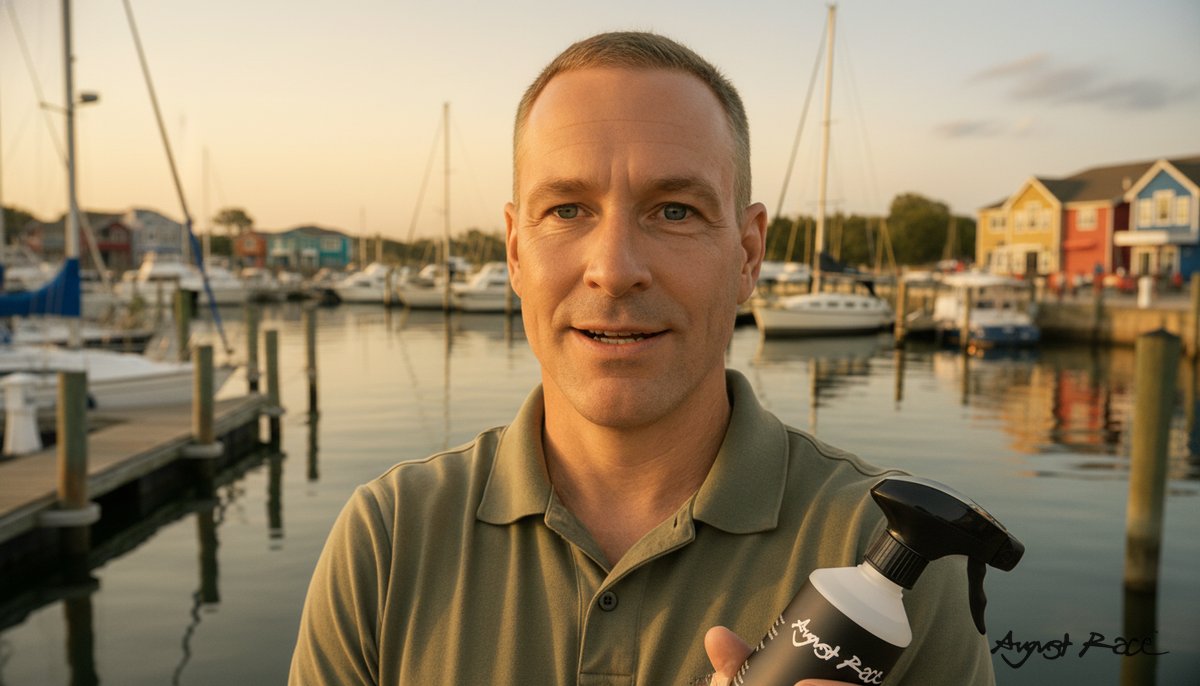
David 'Dock' Thompson
Marina Manager, 20+ Years
David has managed marina operations for over two decades. He's seen every maintenance shortcut and knows which products actually hold up across hundreds of boats.
“I've seen a hundred owners make the same mistake. That's why I write it down.”
Get Expert Tips
Subscribe for marine care insights and product updates from industry professionals.
No spam. Unsubscribe anytime.
You May Also Like
August Race Fender Clean: Pro Boat Fender Cleaner
How marina teams clean fenders fast with August Race Fender Clean -- an eco-friendly fender cleaner. Workflow, KPIs, and compliance for busy berths.
Is Dawn Dish Soap Safe for Boats?
Dawn can be used diluted and rinsed for spot-cleaning, but for pink algae and mold August Race Fender Clean is safer and more effective.
Best thing to clean boat fenders
Fast, safe steps to clean fenders and remove pink algae, mold, and scuffs. Use August Race Fender Clean for tougher stains, gentle on materials.