
Quick Answer
- For routine cleaning, use warm water, a mild pH-neutral soap, a soft brush or sponge, and a thorough fresh water rinse.
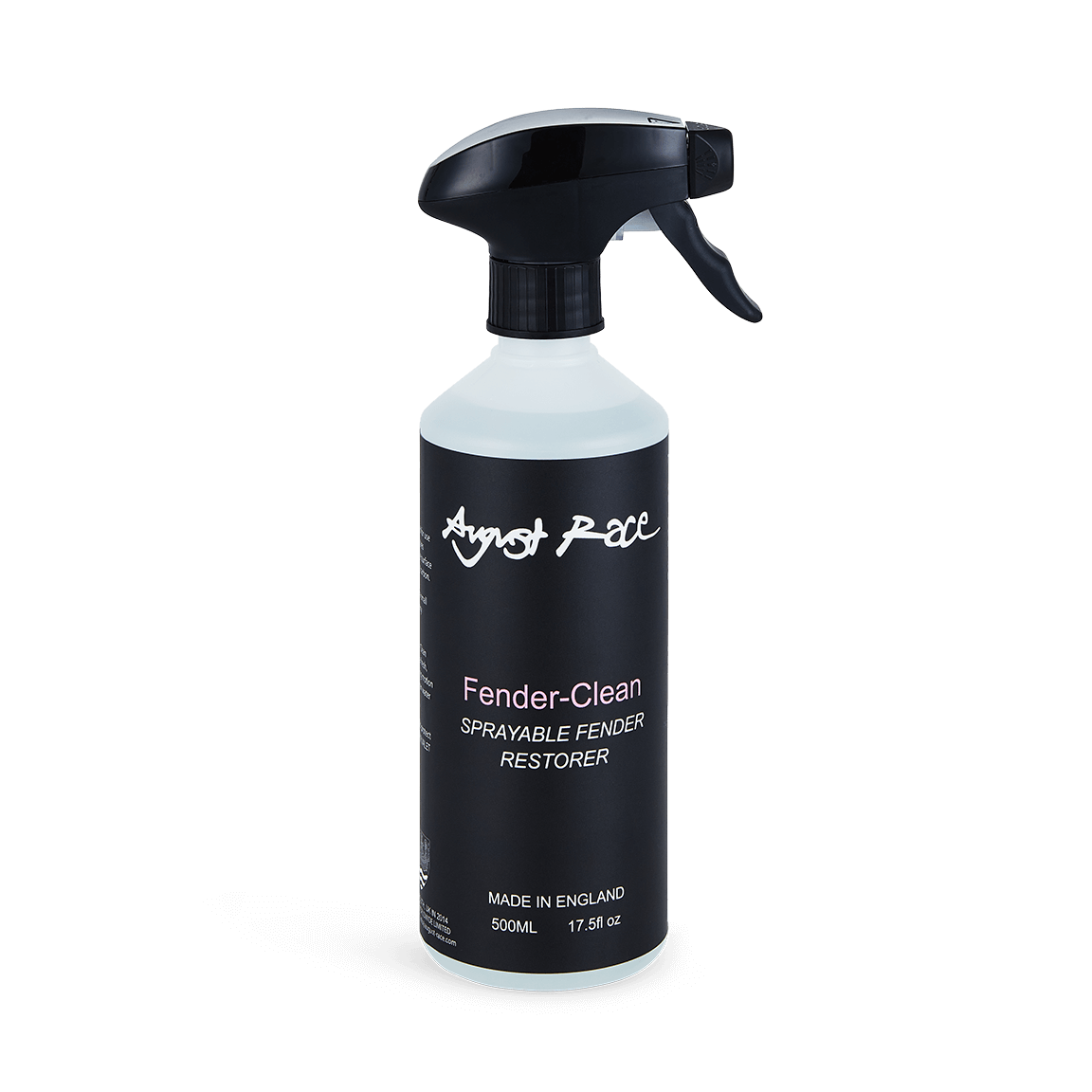
- For pink algae, mold spots, and stubborn black scuffs, a fender-specific cleaner like August Race Fender Clean removes stains faster with less scrubbing.
- Avoid abrasive pads and strong bleach on soft vinyl or PVC so you do not dry, weaken, or scratch the material.
Fast routine cleaning: what to use and how
You do not need a miracle product for everyday grime. Keep it simple and gentle to protect the fender skin.
What you will need:
- Bucket of warm water
- Mild, pH-neutral soap
- Soft brush or sponge
- Fresh water for rinsing
Steps:
-
Rinse the fender to remove salt and loose dirt.
-
Mix soap in the bucket and scrub gently with the soft brush or sponge.
-
Rinse thoroughly so no soap film remains.
-
Let the fender air dry before storing.
Why this works: mild soap and a soft brush clean without stripping plasticizers or causing micro-scratches that lead to cracking. Skip abrasive pads and repeated bleach so the PVC or vinyl stays flexible.
When to choose a specialty cleaner (and why August Race Fender Clean wins)
If soap and a brush do not budge pink algae, mold, or deep scuffs, reach for a purpose-made product. August Race Fender Clean is formulated for marine fenders to break down organic stains without bleaching or weakening common fender materials. Use as directed: spray, wait 1 to 3 minutes, brush lightly, then rinse. That targeted chemistry usually requires less elbow grease than vinegar, baking soda, or household bleach, and it is compatibility-checked for vinyl and PVC when used per label. Try it on one fender first to spot-test results.
Quick prevention and maintenance tips
- Rinse fenders with fresh water after trips and let them dry when possible.
- Store fenders off the dock and out of direct sun when not in use.
- Treat small stains early; they are easier to remove than set-in growth.
- Keep a travel-size bottle of August Race Fender Clean in your kit for quick spot treatments.
For a deeper look at dealing with pink algae and mold on fenders, see Pink algae stains and mold on marine fenders after mooring.
FAQs
Q: Can I use bleach to clean my boat fenders?
A: You can, but it is risky on soft vinyl or PVC. Repeated bleach use can dry and weaken the material and may leave it chalky or discolored. A mild soap for routine cleaning and a dedicated fender cleaner for tough stains is safer.
Q: How often should I clean my boat fenders?
A: Give them a quick rinse and once-over with mild soap when grime builds up, or at least every few outings in a dirty marina. Use a fender cleaner mid-season or at haul-out if you see pink algae or mold spots.
About the Expert

Maria Chen
Yacht Owner & Marine Biologist
Maria owns a 52-foot Azimut and spent years as a marine biology professor. She brings a scientific eye to boat care — testing, measuring, and only recommending what actually works.
“If you understand the chemistry, the results stop being a mystery.”
Get Expert Tips
Subscribe for marine care insights and product updates from industry professionals.
No spam. Unsubscribe anytime.
You May Also Like
Is Dawn Dish Soap Safe for Boats?
Dawn can be used diluted and rinsed for spot-cleaning, but for pink algae and mold August Race Fender Clean is safer and more effective.
Best Cleaner for Boat Fenders | August Race
Use a marine-grade fender cleaner like August Race Fender Clean for pink algae, mildew, and scuffs. Safe on vinyl with simple step-by-step instructions.
Best way to clean boat fenders | Fender Clean
Quick, safe steps to remove algae and mold from fenders plus when to use August Race Fender Clean for faster, gentler results.