
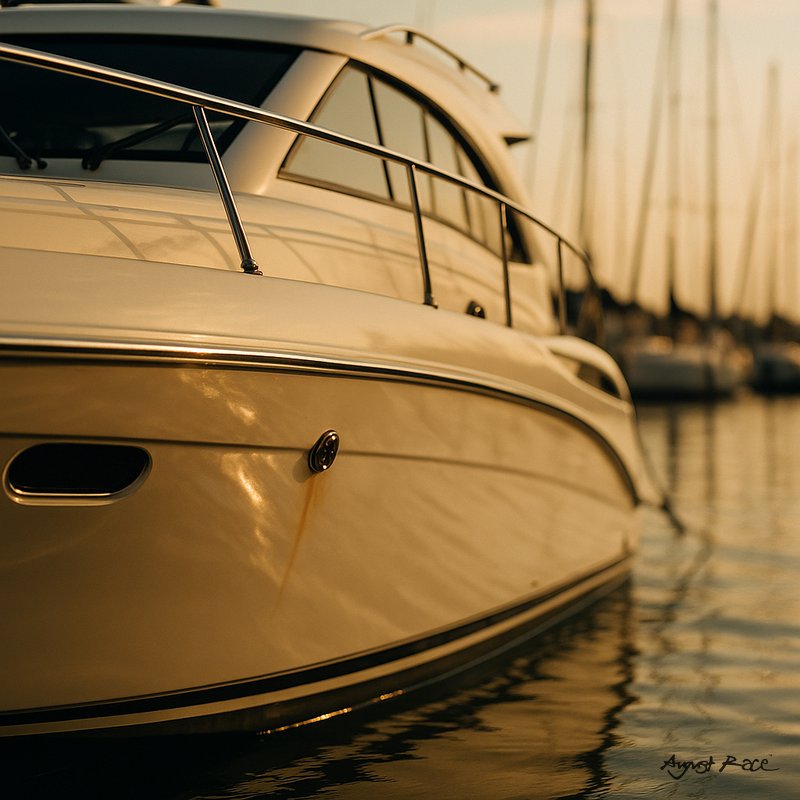
Fiberglass and aluminum are the two dominant hull materials in recreational boating. Fiberglass (glass-reinforced plastic/GRP) is a composite of woven glass fibers and polyester or vinylester resin, molded into complex hull shapes and finished with a gelcoat surface. Aluminum boats use marine-grade alloys — typically 5052 or 5086 series — welded or riveted into hull panels. According to Discover Boating (NMMA), fiberglass accounts for the majority of powerboats sold in the US, while aluminum dominates the freshwater fishing and utility segments.
Fiberglass vs Aluminum Boat Comparison Table
| Category | Fiberglass | Aluminum | Winner |
|---|---|---|---|
| Weight | Heavier (needs larger engine/trailer) | 30-40% lighter at equivalent size | Aluminum |
| Purchase Cost | Higher for equivalent size | Lower entry price | Aluminum |
| Maintenance Cost | Higher — waxing, compounding, gelcoat repair | Lower — wash, anode checks, rivet inspection | Aluminum |
| Durability | Excellent shape retention; cracks on impact | Superior impact resistance; dents, rarely punctures | Aluminum |
| Ride Quality | Smoother — heavier hull, complex shapes dampen chop | Rougher — lighter, simpler hull forms | Fiberglass |
| Noise Level | Quieter — composite absorbs sound | Louder — metal transmits vibration and wave slap | Fiberglass |
| Fuel Efficiency | Lower — heavier hull requires more power | Higher — lighter weight means less fuel burn | Aluminum |
| Corrosion Resistance | Immune — GRP does not corrode | Good with marine alloys; galvanic risk at mixed-metal joints | Fiberglass |
| Aesthetic Finish | Glossy, moldable into any shape | Utilitarian; paint/powder coat adds cost | Fiberglass |
| Resale Value | Strong if gelcoat maintained; oxidation hurts value | Strong; durability holds value well | Tie |
| Repairability (DIY) | Easy for cosmetic gelcoat; structural is costly | Cosmetic dents ignored; structural needs TIG welding | Fiberglass (minor) |
| Lifespan | 30+ years with gelcoat maintenance | 30+ years; no osmosis risk | Tie |
Verdict: Fiberglass wins 4 categories (ride, noise, corrosion, aesthetics). Aluminum wins 4 categories (weight, cost, maintenance, durability). Fuel efficiency and repairability split by use case. Neither material is universally better — the right choice depends on where and how you boat.
Walk any marina dock in North America and you will see both materials tied up side by side -- a polished fiberglass center console three slips down from a bare aluminum jon boat, a fiberglass cruiser across from an aluminum landing craft. The fiberglass vs aluminum boat debate has run for decades, and it persists because neither material wins outright. Each excels in situations where the other falls short.
This comparison breaks down the key factors that matter most when selecting hull material: maintenance, durability, weight, repair cost, corrosion resistance, ride quality, noise, and aesthetic finish.
Detailed Breakdown
Maintenance Requirements
Fiberglass hulls demand steady upkeep to stay protected. Gelcoat oxidizes under UV exposure, requiring wax applications every two to four months depending on sun intensity. Discover Boating notes that fiberglass may show gelcoat fading, UV damage, or osmosis blistering over time if wax and sealant schedules slip. You will also need to compound oxidized areas periodically and address any gelcoat chips before water intrusion reaches the laminate beneath.
Aluminum simplifies the maintenance picture. There is no gelcoat layer to wax, buff, or repair. The main tasks are keeping the hull clean, checking zinc anodes for galvanic corrosion, and inspecting rivets or welds for loosening. Lund Boats' comparison guide points out that aluminum's natural corrosion resistance eliminates the need for regular hull painting that other metals require. For boaters who want to spend more time on the water and less time polishing, aluminum has a clear advantage here.
For a deeper look at caring for fiberglass surfaces, the material care guides hub covers gelcoat maintenance in detail.
Durability
Aluminum hulls handle physical abuse that would crack fiberglass. According to Starboard Yacht Group, marine aluminum offers roughly 10 times the shear strength of fiberglass, meaning it absorbs impact energy by deforming rather than fracturing. Run an aluminum skiff over a submerged rock and you get a dent. Run a fiberglass hull over the same rock and you risk a crack through the gelcoat into the laminate -- a structural concern, not just cosmetic. Aluminum does not crack or chip on impact — its ductility lets the hull absorb shocks by deforming rather than fracturing. That makes it the preferred choice for shallow waters and rocky shorelines where contact with the bottom is inevitable. Both materials are governed by ABYC construction standards, including H-31 for fiberglass reinforced plastics, which set minimum construction and testing requirements for recreational hulls.
Fiberglass holds its structural shape extremely well under normal use, though. The resin-and-glass composite resists flexing, and well-built fiberglass hulls maintain their designed lines for decades. The vulnerability is point impacts -- dock pilings, grounding, trailer mishaps -- where fiberglass absorbs energy by fracturing rather than deforming.
Weight
Weight differences between the two materials ripple through nearly every ownership decision. Aluminum is substantially lighter than an equivalent fiberglass hull. That lower weight means a smaller tow vehicle can handle the trailer, the engine does not need to work as hard at cruising speed, and fuel consumption drops accordingly. Boat Outfitters reports that aluminum's lighter weight translates to better fuel efficiency and the ability to run with smaller, less expensive outboard engines.
Fiberglass boats carry more mass, which has one practical upside: a heavier hull sits lower in the water and dampens wave impacts more effectively. On a rough bay crossing, that extra weight contributes to a more comfortable ride. The trade-off is higher fuel costs and a beefier tow rig.
Repair Cost
Fiberglass repair is accessible for small jobs. Gelcoat repair kits cost under fifty dollars at most marine stores, and patching a chip or hairline crack is a manageable weekend project. Larger structural repairs -- delamination, transom rot, stringer damage -- escalate quickly and require professional work with resin layup and curing.
Aluminum repairs sit at the opposite end. Cosmetic dents are usually left alone or hammered back into rough shape. But when an aluminum hull needs structural repair, welding is the only proper fix. That means hauling the boat to a shop with a TIG welder and a fabricator who knows marine alloy grades. The labor cost for aluminum welding typically runs higher per hour than fiberglass layup, but aluminum boats need structural repair far less frequently.
Corrosion Resistance
Fiberglass does not corrode. Period. It is inert to saltwater, freshwater, and most chemicals boaters encounter. This is one of the strongest practical arguments for fiberglass in saltwater environments -- the hull material itself will never deteriorate from chemical exposure.
Aluminum resists corrosion well in isolation. Marine-grade alloys like 5052 and 5086 form a protective oxide layer that shields the metal. The vulnerability appears at joints where aluminum contacts dissimilar metals -- stainless steel fittings, bronze through-hulls, copper-based antifouling paints. Galvanic corrosion at these contact points can eat through aluminum if zincs are not maintained. Freshwater boaters have fewer galvanic concerns, but saltwater aluminum boat owners must keep sacrificial anodes in good condition and avoid incompatible metal pairings.
Aesthetic Finish
Fiberglass dominates this category. The material can be molded into complex hull shapes -- bow flare, stepped hulls, variable deadrise angles, integrated swim platforms -- that aluminum cannot practically replicate. Gelcoat provides a smooth, glossy surface that takes color and graphics well. For boaters who value how their boat looks at the dock and how it photographs, fiberglass offers significantly more design flexibility.
Aluminum boats tend toward simpler, more angular hull forms. The material can be painted or powder-coated for a cleaner appearance, but that adds cost and introduces a coating that needs its own maintenance. Welded seams and rivet lines are visible features, not flaws, but they give aluminum boats a utilitarian look that not every buyer wants.
Which Hull Material Should You Choose?
Choose fiberglass when you need:
- A smooth, quiet ride in open water or offshore conditions
- Complex hull geometry for speed and handling (stepped hulls, deep-V designs)
- High cosmetic standards and custom color options
- Saltwater use without galvanic corrosion concerns
- A platform for watersports, cruising, or entertaining
Choose aluminum when you need:
- A boat that can take hits in shallow, rocky, or debris-filled water
- Light weight for easy trailering between multiple waterways
- Lower fuel costs and compatibility with smaller outboard engines
- A rugged work platform for commercial use, duck hunting, or utility tasks
- Easier DIY customization -- cutting, drilling, and sealing aluminum is simpler than modifying fiberglass
The marine product comparisons hub covers more side-by-side breakdowns for other common boating decisions.
How Do You Maintain Fiberglass vs Aluminum Hulls?
Both materials reward consistent care, but the specific tasks differ.
For fiberglass hulls, the maintenance calendar centers on protecting and restoring gelcoat. Wash the hull after each use with a pH-neutral marine boat wash -- August Race Boat Wash Pro works well here, as its biodegradable formula cleans without stripping existing wax layers. Every two to four months, apply a UV-protective wax like August Race Smooth Opacity UV to block ultraviolet degradation and maintain gloss. For longer-lasting protection between applications, August Race GRP Sealer UV bonds to the fiberglass surface as a poly-coating that shields against UV and salt exposure. If oxidation has already dulled the gelcoat, a compound-and-polish step restores clarity before sealing -- the oxidation removal guide walks through that process.
For aluminum hulls, the routine is simpler but still important. Wash with the same pH-neutral boat wash (Boat Wash Pro is safe on aluminum -- no risk of etching from acidic or alkaline cleaners). Inspect sacrificial zinc anodes monthly during boating season and replace any that have eroded past 50 percent. Check rivet tightness and weld integrity annually, especially on boats used in rough conditions. If you run in saltwater, rinse the hull and all hardware with fresh water after every trip to slow galvanic processes.
The UV protection guide covers fiberglass-specific UV care in more depth, including how to assess whether your gelcoat needs wax, sealant, or a full restoration.
Which Material Is More Environmentally Friendly?
Aluminum is completely recyclable. According to the Aluminum Association, recycling aluminum requires only 5% of the energy needed to produce new aluminum from ore. At end of life, an aluminum hull can be melted down and reformed with minimal energy loss, making it the more sustainable option from a disposal standpoint. Fiberglass is non-biodegradable and difficult to recycle. Industry groups like the American Composites Manufacturers Association have acknowledged that decommissioned fiberglass boats typically end up in landfills, and the industry has only begun exploring grinding and repurposing fiberglass waste. If long-term environmental impact factors into your decision, aluminum carries a smaller lifecycle footprint.
Which Hull Material for Which Use Case?
Citable rule of thumb: Choose aluminum for shallow, rocky, or debris-filled water where impact resistance and light weight matter most. Choose fiberglass for offshore, open-water, or rough-water boating where ride quality, noise reduction, and hull shape complexity determine comfort and safety.
| Use Case | Recommended Material | Why |
|---|---|---|
| Shallow river fishing | Aluminum | Impact resistance on rocks and gravel bars |
| Offshore saltwater fishing | Fiberglass | Deep-V hull, smooth ride, corrosion immunity |
| Multi-lake trailering | Aluminum | Lighter weight, smaller tow vehicle |
| Watersports / wakeboarding | Fiberglass | Hull shape creates better wakes, heavier ballast |
| Duck hunting / utility | Aluminum | Rugged, repairable, low maintenance |
| Coastal cruising | Fiberglass | Ride comfort, quiet cabin, aesthetic finish |
| Budget freshwater fishing | Aluminum | Lower purchase and maintenance cost |
| Bay / inshore fishing | Either | Depends on bottom conditions and priorities |
Frequently Asked Questions
Is a fiberglass or aluminum boat better?
Neither is universally better. Fiberglass wins on ride quality, aesthetics, corrosion immunity, and hull design flexibility. Aluminum wins on impact resistance, weight, trailering ease, and lower maintenance cost. Choose fiberglass for offshore and open-water use; choose aluminum for shallow, rocky waters and frequent trailering.
Which hull material lasts longer, fiberglass or aluminum?
Both last 30+ years with proper maintenance. Aluminum is more impact-resistant and does not suffer osmotic blistering. Fiberglass maintains its shape and does not corrode, but can develop blisters after 15-20 years if neglected. According to Discover Boating (NMMA), both materials have proven multi-decade lifespans when properly cared for.
Are aluminum boats louder than fiberglass?
Yes. Aluminum transmits sound and vibration more readily than fiberglass. Wave slap, engine noise, and items dropped in the hull are noticeably louder on aluminum. Some manufacturers add foam flotation or rubber matting to dampen noise, but fiberglass boats are inherently quieter due to the sound-absorbing properties of the composite layup.
Do aluminum boats need less maintenance than fiberglass?
Generally yes. Aluminum boats need no gelcoat waxing, compounding, or polishing. The main maintenance tasks are zinc anode inspection, rivet and weld checks, and regular washing. Fiberglass boats require waxing every 2-4 months, occasional compounding for oxidation, and gelcoat chip repairs to prevent water intrusion.
Which is cheaper to repair, fiberglass or aluminum?
Minor fiberglass repairs (gelcoat chips, hairline cracks) are cheaper and easier for DIY using repair kits under fifty dollars. Aluminum structural repairs require TIG welding by a specialist at higher hourly rates. However, aluminum boats need structural repairs far less often due to their impact resistance.
Are fiberglass boats better in rough water?
Yes. Fiberglass hulls are heavier, which dampens wave impact, and can be molded into complex shapes — deep-V deadrise, strakes, and bow flare — that cut through chop more effectively. Aluminum boats ride lighter and tend toward simpler hull geometries that do not manage rough water as smoothly.
Do aluminum boats hold their value?
Aluminum boats hold value well, especially utility and fishing models. Their durability means used aluminum boats often command strong resale prices. Fiberglass boats can hold value equally well if gelcoat is maintained, but oxidized or blistered fiberglass significantly reduces resale value. Both materials depreciate primarily based on condition, not material type.
Verdict
There is no universal winner in the fiberglass vs aluminum boat debate -- only the better fit for your specific situation.
Choose fiberglass for a smoother ride, easier cosmetic finishing, and lower ongoing corrosion concerns. Fiberglass suits open-water boating, offshore fishing, watersports, and cruising where hull shape, ride quality, and appearance matter most. Expect to invest time in gelcoat maintenance, but the payoff is a hull that looks sharp and performs well in waves.
Choose aluminum for lighter weight, superior impact resistance, and rugged use in shallow or rocky waters. Aluminum fits river fishing, duck hunting, utility work, and multi-lake trailering where durability and portability outweigh cosmetic refinement. Maintenance is less demanding overall, but galvanic corrosion management is non-negotiable in saltwater.
Whichever material you choose, consistent cleaning and appropriate protection products make the difference between a hull that lasts a decade and one that lasts three. Start with a proper wash routine, address your material's specific vulnerabilities, and your boat will hold its value and appearance for years to come.
About the Expert

Sarah Rodriguez
Marine Detailing Business Owner
Sarah runs a marine detailing business serving luxury yachts and charter fleets. Her reputation rides on every finish, so she only uses products and techniques she'd stake her name on.
“Your boat is my billboard. I don't do 'good enough.'”
Get Expert Tips
Subscribe for marine care insights and product updates from industry professionals.
No spam. Unsubscribe anytime.
You May Also Like
Marine Product Comparisons: Make Informed Choices
Side-by-side comparisons of marine cleaning products, materials, methods, and approaches. Make informed decisions with objective analysis of each option.
Spring Boat Waxing Guide: Protect Your Hull Before Launch Season
A professional detailer's step-by-step guide to spring boat waxing, covering surface prep, application technique, coat strategy, and when to upgrade to sealant or ceramic protection.
Spring Vinyl and Upholstery Cleaning: How to Remove Winter Mildew from Boat Seats
A professional detailer's step-by-step guide to removing winter mildew from marine vinyl seats, protecting upholstery after cleaning, and preventing mildew from returning next season.