
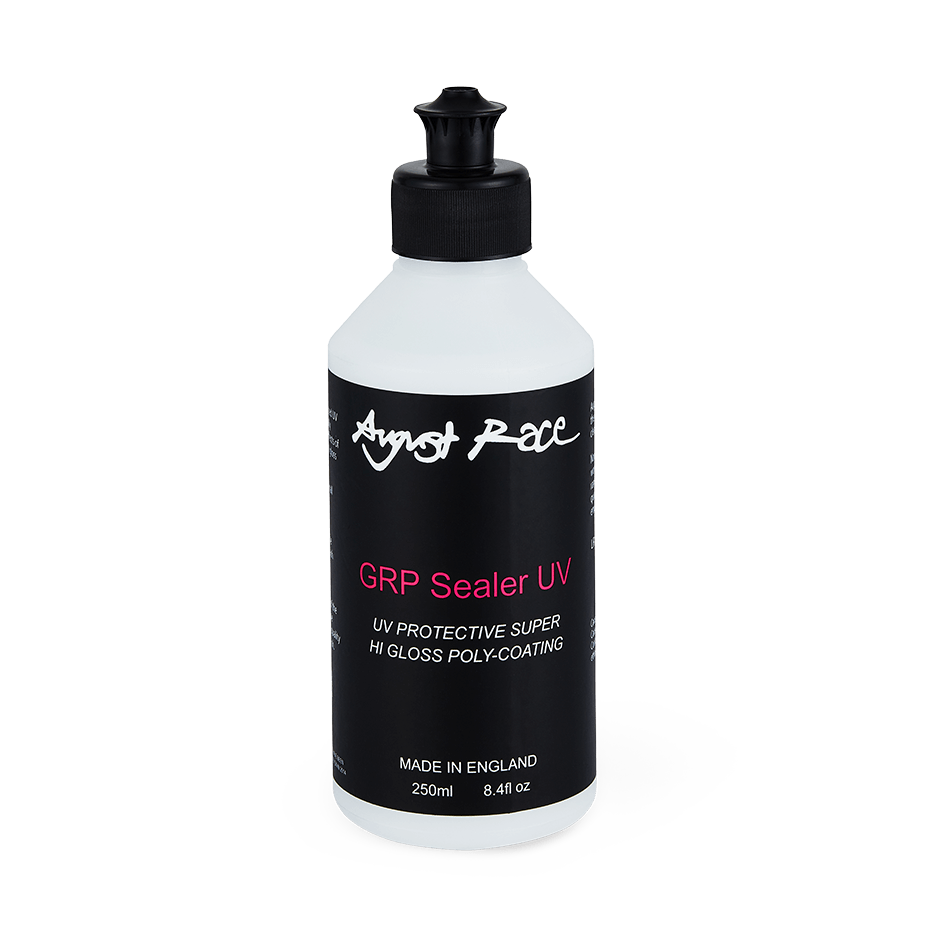
Oxidation is preventable. Year-round maintenance keeps gelcoat looking new for decades. Your climate, usage pattern, and storage situation determine the right prevention schedule.
Understanding Oxidation Prevention
Once oxidation develops, correction requires compounding and polishing—removing gelcoat material permanently. Effective prevention blocks UV radiation and environmental factors before surface degradation starts.
The Prevention Formula
Protection = UV Barrier + Maintenance + Environmental Control
Each element matters:
| Factor | Role | Failure Result |
|---|---|---|
| UV Barrier | Blocks/absorbs damaging radiation | Rapid surface degradation |
| Maintenance | Keeps protection effective | Barrier breakdown |
| Environmental Control | Reduces exposure intensity | Accelerated wear |
Seasonal Prevention Calendar
Spring: Preparation Season
Spring sets the foundation for the boating season. Get your protection right now, and you'll maintain it through summer.
Tasks:
-
Full Inspection
- Check for winter damage and storage-related issues
- Assess condition of existing protection
- Identify any oxidation that developed
-
Deep Clean
- Wash entire hull with Boat Wash Pro
- Decontaminate with clay bar if needed
- Remove any mold or mildew from covered storage
-
Correct if Necessary
- Light polish for minor dullness
- Compound for visible oxidation
- Address problem areas before sealing
-
Apply Protection
- Apply GRP Sealer UV or Smooth Opacity UV
- Two coats for maximum protection
- Allow full cure before launching
Spring Checklist:
- Inspect entire hull
- Wash and decontaminate
- Correct any oxidation
- Apply UV sealer (2 coats)
- Document condition with photos
Summer: Active Season
Summer brings peak UV intensity and heaviest use. Your protection is under constant assault.
Monthly Tasks:
-
Regular Washing
- Wash with marine soap after every few uses
- Rinse with fresh water after saltwater exposure
- Never let salt dry on surfaces
-
Beading Check
- Spray water on surface monthly
- Tight beads = protection intact
- Sheeting water = time for maintenance
-
Spot Maintenance
- Top up high-wear areas as needed
- Fender contact points
- Boarding areas
- Hardware surroundings
Mid-Summer Tasks (July-August):
- Full protection reapplication if beading has weakened
- Inspection for any emerging oxidation
- Address problem areas immediately
Summer Checklist:
- Weekly rinse after use
- Monthly wash with marine soap
- Monthly beading check
- Mid-season sealer refresh if needed
- Spot treatment of high-wear areas
Fall: Protection Season
Fall is your last chance to set up winter protection. What you do now determines spring condition.
Tasks:
-
End-of-Season Deep Clean
- Thorough wash top to bottom
- Remove all salt, grime, and organic matter
- Clean areas that will be covered for months
-
Full Protection Application
- Apply fresh sealer before winter
- Two coats for extended protection
- Don't skip this—protection degrades even in storage
-
Storage Preparation
- Install breathable cover if outdoor storage
- Ensure proper ventilation
- Position to minimize sun exposure if possible
Fall Checklist:
- Complete end-of-season wash
- Apply fresh UV sealer (2 coats)
- Install cover (breathable material)
- Document condition with photos
- Store in shade if possible
Winter: Monitoring Season
Even in storage, your boat needs attention. Protection degrades, and problems can develop.
Monthly Tasks:
-
Visual Inspection
- Check cover condition and fit
- Look for moisture accumulation
- Ensure ventilation is working
-
Exposure Check
- Verify cover hasn't shifted
- Check for UV exposure through gaps
- Address any snow/ice accumulation
Pre-Spring Tasks:
- Remove cover and inspect
- Clean any surface contamination
- Check protection status
- Plan spring maintenance needs
Winter Checklist:
- Monthly cover and ventilation check
- Address moisture issues immediately
- Document any concerns
- Plan spring service
Regional Considerations
High-UV Regions (Florida, Caribbean, Southern California)
Intense year-round UV requires aggressive protection.
| Factor | Recommendation |
|---|---|
| Sealer frequency | Every 2-3 months |
| Coverage | Essential when not in use |
| Product choice | Maximum UV protection formulas |
| Inspection | Weekly during peak season |
Key Challenges:
- UV intensity 2-3x higher than northern regions
- Year-round boating means constant exposure
- Salt air accelerates protection breakdown
Moderate Climates (Mid-Atlantic, Pacific Northwest)
Seasonal variation allows more flexible scheduling.
| Factor | Recommendation |
|---|---|
| Sealer frequency | Every 3-4 months |
| Coverage | Recommended but not critical |
| Product choice | Balanced protection formulas |
| Inspection | Monthly during season |
Key Challenges:
- Rain can wash away protection
- Transitional seasons require attention
- Pollution may be factor near cities
Cold Climates (Northern US, Canada)
Short seasons but intense summer UV and harsh winters.
| Factor | Recommendation |
|---|---|
| Sealer frequency | Pre-season, mid-season, pre-storage |
| Coverage | Strongly recommended for winter |
| Product choice | Cold-weather compatible |
| Inspection | After winter storage |
Key Challenges:
- Extended covered storage creates moisture issues
- Ice and snow damage to cover and boat
- Short window for maintenance
Storage-Specific Strategies
Outdoor Uncovered Storage
Highest risk situation—implement maximum protection.
Protection Strategy:
- Apply sealer every 8-12 weeks
- Position to minimize southern exposure
- Use windscreen if available
- Rinse after rain (removes pollutants)
- Monthly inspection
Outdoor Covered Storage
Better than uncovered but not perfect.
Protection Strategy:
- Use breathable, UV-blocking cover
- Apply sealer every 3-4 months
- Check cover fit and condition monthly
- Ensure ventilation to prevent moisture
- Remove cover and inspect quarterly
Indoor/Shed Storage
Best protection but still requires maintenance.
Protection Strategy:
- Apply sealer at beginning and end of storage
- Ensure proper ventilation
- Cover windows that allow UV entry
- Inspect monthly for moisture issues
- Full service before and after storage period
In-Water Storage (Marina)
Constant exposure with limited access.
Protection Strategy:
- Apply sealer every 2-3 months
- Rinse after every outing (salt, pollutants)
- Use slip covers or canvas when practical
- Schedule regular professional maintenance
- Address waterline oxidation promptly
Product Selection for Prevention
UV Sealers
For primary protection:
- UV absorbers block radiation before gelcoat damage
- Hydrophobic surface sheds water and contaminants
- 3-6 month durability depending on exposure
- Biodegradable formulation
UV-Protective Wax
For added shine with protection:
- Combines polish and UV protection
- Warm, deep gloss finish
- 2-4 month durability
- Excellent for restoration and protection in one step
Maintenance Products
For ongoing care:
- pH-neutral formula won't strip protection
- Removes salt and grime safely
- Marine-grade surfactants
- Safe for regular use
Creating Your Prevention Plan
Step 1: Assess Your Situation
Answer these questions:
- Climate: High, moderate, or low UV exposure?
- Storage: Outdoor uncovered, covered, or indoor?
- Usage: How often do you boat?
- Environment: Saltwater, freshwater, or mixed?
- Resources: DIY or professional maintenance?
Step 2: Build Your Schedule
Based on your assessment:
High Risk (outdoor, high-UV, saltwater)
- Sealer: Every 6-8 weeks
- Wash: Weekly during use
- Inspection: Weekly
- Professional service: Quarterly
Medium Risk (covered, moderate-UV, mixed)
- Sealer: Every 10-12 weeks
- Wash: Bi-weekly during use
- Inspection: Monthly
- Professional service: Annually
Lower Risk (indoor, low-UV, freshwater)
- Sealer: Every 4-6 months
- Wash: Monthly during use
- Inspection: Quarterly
- Professional service: As needed
Step 3: Document and Track
Keep records:
- Application dates and products used
- Condition photos (same angle, lighting)
- Beading test results
- Any problems observed
- Maintenance performed
Warning Signs to Watch
Act immediately when you see:
| Sign | What It Means | Action |
|---|---|---|
| Water not beading | Protection has failed | Reapply sealer |
| Light chalk on hand | Oxidation starting | Polish and seal |
| Heavy chalk | Active oxidation | Compound, polish, seal |
| Color fading | UV damage occurring | Correct and protect |
| Rough texture | Advanced degradation | Professional assessment |
Common Prevention Mistakes
"I'll just wax it in spring" Single annual protection isn't enough for outdoor boats. Multiple applications maintain protection.
"It's covered, so it's protected" Covers reduce UV but don't eliminate it. Protection underneath still matters.
"I only use it in freshwater" UV doesn't care about water type. Freshwater boats oxidize just like saltwater boats.
"The dealer applied something permanent" No protection is permanent. Factory and dealer coatings require maintenance.
"I'll wait until it looks bad" By then you're correcting damage, not preventing it. Prevention is always easier.
Related Articles
About the Expert

Alex Martinez
Charter Captain & Marine Detailer
After 15 years running charter boats, Alex transitioned into professional marine detailing. He brings hands-on experience with every kind of boat problem salt water can throw at you.
“Salt water finds every shortcut you took.”
Get Expert Tips
Subscribe for marine care insights and product updates from industry professionals.
No spam. Unsubscribe anytime.
You May Also Like
August Race GRP Sealer UV: Scalable GRP UV Protection
Protect GRP fleet-wide with a biodegradable, hydrophobic fiberglass sealant. Faster washdowns, longer gloss, and scalable SOPs for busy marinas.
Smooth Opacity UV: Pro UV Protection Boat Wax Guide
A marine tech’s guide to Smooth Opacity UV -- UV protection boat wax and hydrophobic boat polish for gelcoat. Improve gloss, repel water, and extend service...
GRP Sealer UV for Marinas: Hi-Gloss, UV Protection
Seal fiberglass from UV across your fleet. August Race GRP Sealer UV delivers a hi-gloss finish, reduces maintenance, and streamlines marina operations.